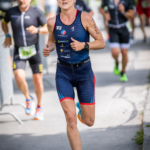
When Seema first reached out to me in late 2024, she described herself as a complete beginner to triathlon. Living in London at the time and preparing to move to San Francisco, she had a big dream — to complete her first Ironman 70.3 in 2025 (September).
She wrote, “I’m hoping to do my first 70.3 triathlon next year. I’m looking for a coach who can guide me through the process and be there to mentor and motivate me.”
It was clear from that first message that Seema had the right mindset — motivated, curious, and ready to learn.
Choosing the Right Race
During our first conversation, we discussed potential races for her first 70.3. Seema was leaning toward Ironman 70.3 Oregon, known for its beginner-friendly course and beautiful setting. It was a smart choice — the calm river swim, rolling bike course, and flat run make it a great first experience for newcomers to long-course triathlon.
Building the Foundation
When Seema started training, our goal wasn’t just to prepare her for a race. It was to build a sustainable foundation — physically, mentally, and technically. Like many new athletes, she had learned the hard way in the past that “doing too much too soon” leads to setbacks. So our focus was patience, consistency, and progression.
We began with developing her comfort and confidence in all three disciplines:
Running: building durability & robustness gradually, balancing intensity with recovery.
Cycling: gaining road confidence, bike-handling skills & bike fit.
Swimming: improving efficiency and breathing, first in the pool and later in open water.
- Strength training: muscular development, core strength & hip stability.
Each phase of training was personalized to her needs, schedule, and fitness. But as with any athlete’s journey, nothing is straightforward, life had its own plans.
Balancing Life, Family, and Training
Throughout her training year, Seema made several extended trips to India to be with her family — caring for her father during illness and supporting her mother. These were emotionally and physically demanding periods, and yet she stayed connected, checking in regularly and doing what she could, even when conditions weren’t ideal.
This is one of the things I admire most about Seema: her ability to adapt and stay focused without losing perspective.Coaching is not just about workouts and numbers — it’s about keeping momentum through life’s inevitable changes.
We adjusted her plan around travel, heat, and available resources. Sometimes training was minimal, sometimes we ramped back up — but the consistency of communication and her positive mindset kept her moving forward.
Facing the Open Water and the Roads
When she returned to San Francisco, Seema tackled two of the biggest mental and physical hurdles for many new triathletes — swimming in open water and riding on the roads.
The first few sessions at Aquatic Park in the Bay were nerve-wracking, but she approached each challenge methodically, applying feedback, and celebrating small wins. On the bike, she learned to handle descents, corners, and group riding safely — growing more confident with each ride.
These were major milestones that built not just her fitness, but her belief that she belonged in the sport.
Race Week — Oregon 70.3
By race week, Seema had done the work — and it showed. She was prepared, strong, and mentally calm. The day before the race, she texted that her river swim practice had gone well and that her nerves were finally settling.
On race day, everything came together.
“The swim was great, and I felt so strong on the bike hills. The last miles were tough, but I kept going and finished with a big smile. I was happy and grateful throughout the journey. Thank you for everything, Torsten — for introducing me to this sport and keeping me on track to do my first one. It’s been a journey, but that’s what makes it even more special.”
From her first uncertain email to finishing a 70.3 half-Ironman, Seema transformed not only as an athlete but as a person.
Lessons from Seema’s Journey
Every athlete’s path is different, but Seema’s story highlights a few universal truths:
Progress is rarely linear. Life, travel, and setbacks happen — the key is staying adaptable. Each athlete’s body responds and recovers differently, sometimes faster, sometimes slower, and that’s perfectly normal.
Confidence grows from consistency. Small, steady steps lead to big results — and it takes courage to enter the “ugly zone,” where real growth and lasting rewards are found.
Coaching is collaboration. The best results come when athlete and coach stay connected and communicative.
Looking Ahead
Seema’s journey doesn’t end here — it’s just the beginning. With her first 70.3 behind her, she’s already thinking about future goals and how to continue building on this strong foundation.
As a coach, it’s deeply rewarding to see an athlete go from “Can I really do this?” to crossing that finish line with confidence and joy.
Seema’s story is a reminder that triathlon isn’t just about performance — it’s about discovery, growth, and realizing that with the right guidance, discipline, and mindset, anything is possible.
Final Note
If you’re thinking about training for your first triathlon — whether it’s a sprint, Olympic, or 70.3 — remember that success doesn’t start on race day. It starts with the decision to begin and the willingness to show up, week after week.